Most people don’t think about what they’d actually reach for at 2 a.m. when something wakes them up. A phone is too slow. A dedicated alarm doesn’t stop anyone. A flashlight only lets you see the problem. The MultiGuard was put together by people who understood that a single-purpose tool has a single-purpose limitation. Who This Is Best ForThis one makes sense for someone who wants a capable, low-maintenance home defense option without spending serious money or dealing with a complicated setup. Renters who can’t modify their space. Adults living alone. Parents who want something accessible but not as serious as a firearm. It’s also a reasonable choice for a college student or a family member you’re trying to look out for — compact enough to keep in a nightstand drawer or slip into a bag. Decision ShortcutIf you’re weighing whether you need all three functions — stun, alarm, and light — the honest answer is that you probably won’t use all three at once. But having them costs nothing extra here, and there are situations where the alarm alone will solve the problem before the stun ever comes into play. At $24.95 with a built-in charger, this isn’t a difficult decision. The harder question is whether you want something with this much range of options or something more specialized. For most people starting out, this is the right call. Key Features 80 Million Volts — enough electrical output to cause muscle disruption and pain compliance in a close-contact situation 120dB Personal Alarm — that’s roughly the volume of an ambulance siren at close range; it draws attention fast and can disorient an attacker 120-Lumen Flashlight — practical for navigation in the dark, and bright enough to temporarily impair night-adapted vision at close range Built-In Wall Charger — no cables to lose, no batteries to replace; plug it directly into a standard outlet Compact, Grippy Form Factor — sized to fit most hands and designed to be held securely under stress Available in 6 Colors — practical consideration if you want it to stand out in a bag or drawer, or blend in How It Compares Feature MultiGuard Stun Gun Basic Stun Gun Standalone Personal Alarm Price Range $24.95 $15–$25 $8–$20 Stun Capability 80 Million Volts Varies None Built-In Alarm 120dB Rarely included Yes — alarm only Ease of Use Simple, one-hand operation Simple Very simple Practical Details The MultiGuard is legal in most US states, but laws around stun devices vary — some cities and states have restrictions, so check your local regulations before ordering. The built-in charger keeps maintenance simple: plug it in periodically, keep it charged, and it’s ready when you need it. The unit arrives ready to use. No batteries, no separate charging cables, no assembly. If you’ve been putting off getting something practical for home defense because the options felt too complicated or too expensive, this removes both of those objections. Add it to your cart and cross it off the list. Frequently Asked Questions Q: How does a stun gun actually work? A stun gun delivers a high-voltage, low-amperage electrical charge on contact. The voltage causes involuntary muscle contractions and significant pain, which interrupts an attacker’s ability to function. It doesn’t rely on the person’s pain tolerance the way a strike would — the electrical disruption is involuntary. At 80 million volts, this unit produces a visible arc and an audible crack that also serves as a deterrent on its own. Q: Is the 120dB alarm useful, or is it just a marketing add-on? It’s genuinely useful. At 120dB, that alarm is louder than most people expect — comparable to a chainsaw or a live rock concert at close range. In a populated area, it draws immediate attention. In many situations, triggering the alarm is enough to cause an attacker to disengage before a physical confrontation develops. It’s not a replacement for the stun function, but it’s not a gimmick either. Q: Do I need to replace batteries? No. The built-in wall charger means you plug the unit directly into a standard outlet to recharge — no batteries, no separate cable. That’s one fewer thing to forget or lose. Charge it the same way you’d charge a phone, and keep it in a consistent spot so you always know where it is. Q: Is this legal where I live? Stun guns are legal in most US states, but there are exceptions and local ordinances that can affect legality. A few states and some municipalities have restrictions or permit requirements. It’s your responsibility to check the laws in your city and state before purchasing. If you’re unsure, your local law enforcement non-emergency line can usually give you a straight answer.










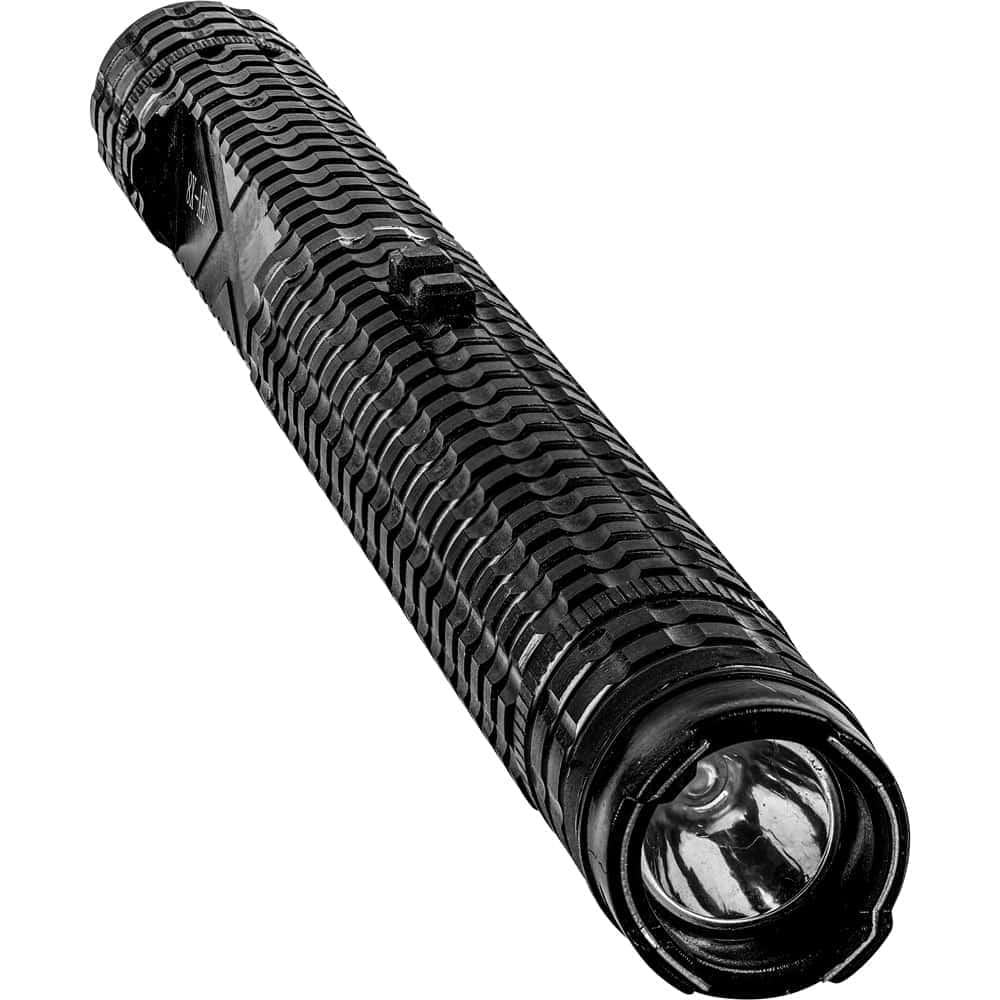 Gator 70 Million Volt Stun Gun Flashlight Baton – Compact Security Device with LED Light, Rechargeable Battery, 15-inch Length
 Disguised Stun Pen 40 Million Volt Rechargeable Self Defense Tool with LED Light, Covert Personal Protection Device
 Hot Shot Rechargeable Stun Gun with 100-Lumen Flashlight, Battery Meter, Disable Pin & Non-Slip Grip – Dual-Purpose Safety Tool