When looking for a lightweight folding camping cot, I did lots of research ahead of time. Time and again, I kept coming back to the Byer of Maine cots (this one and it’s XL counterpart). What finally made me choose this one over the XL version was that the XL only folds in half, whereas this one folds in thirds. For me, the more compact size when folded was worth it to trade off for a slightly smaller sleeping surface. Your mileage may vary. I’m 6’1″ 220 lbs, and I’d say that’s about the break point for for people who want to know which cot to buy- much bigger than I am (or if you live around a lot sleeping) and you’ll want to go for the XL, but my size and smaller can comfortably use this one no problem.In my research, I kept seeing over and over people talking about difficulties they had assembling and disassbling the cot with its spring steel legs. I also read a review where one buyer used a 5/16 drill bit to slightly enlarge the holes to ease assembly and disassembly (since that reviewer stated the legs measure 0.305″ and a 5/16 bit is 0.312, it’s not removing very much material, rather it’s just cleaning up the holes), and I decided I’d give that a try myself. I’m certainly glad I did, as that reviewer was right- drilling out the holes to 5/16 made assembly and disassembly noticeably easier. What I also noticed while drilling the holes larger, was that some holes (particularly the four center holes in the cast folding sections) had quite a bit of flashing and needed a noticeable amount of material removed, while some holes were already larger than the drill bit and no material was removed (in the cast hinge section holes, two holes had a lot of material removed, one hole had just a minor amount of flashing removed, and the last hole the drill bit didn’t even touch). Four end holes also had varying amounts of burrs from the factory drilling process, and a little wiggling of the drill while enlarging the holes took care of any remaining burrs. As that other reviewer said, this one little modification made assembly and disassembly as smooth as butter. I truly believe that a lot of the people having difficulty disassembling this are simply dealing with burrs and undersized holes with flashing hanging up the legs when they try to remove them. I fully recommend using the 5/16 drill bit trick on this cot first thing. Even if you plan on returning it, it’s not really a modification as much as it’s doing what should have been done from the factory. And short of Amazon taking a micrometer and checking the whole diameter, they will never notice the difference if you drill the holes out, since it’s only a few thousandths of an inch and the human eye can’t even detect the difference. Do you really think some Amazon wage slave getting paid 12 bucks an hour is going to pull out the calipers and measure when you return this? I don’t think so.The other thing that makes assembly and disassembly less than easy is the fact that you are relying on spring tension in the steel legs to hold the cot in its tight assembled position. That means, you have to compress those springs (i.e., bend the spring steel legs and hold them in tension) whenever you assemble or disassemble it. That means there is a certain amount of technique required in order to make it work- you can’t just try to jam the legs straight in or pull them straight out and expect it to work. If you’ve ever had a bow and arrow and had to restring the bow, you will know exactly what setting up this cot is like; the legs are like the bow, and the fabric part is like the bow string. It does come with a yellow plastic tool to make holding the legs more comfortable, but I found that to be completely unnecessary. To assemble it, I laid the cot upside down on the floor and started at one end. From there, insert the end of one leg in one of the holes, and using your knees to spread the side tubes of the cot push down on the free end of the leg while pulling up in the w-shaped center of the leg. With this simple push-pull motion bending the springy leg, the free end of the leg drops into the hole in the side support reasonably easily (I’d estimate 35-40 lbs of pressure). The first leg is the hardest to do, but after that the rest go in fairly easily. It’s not terribly difficult when you have the right technique, but it does require a reasonable amount of arm strength.(Think picking up a 5 gal pail of water with one hand). So most adults shouldn’t have too hard of a time, but people younger than a teenager (or ladies of smaller stature) are going to have difficulty. Then again, cots in general tend to be pretty difficult to set up (especially the classic military style cots), so that kind of comes with the territory. Generally speaking though, this is the easiest to set up cot I’ve ever used.Comfort wise, this cot falls in right with every other cot I’ve slept on- a nice firm sleeping surface with no hard points. I did use a thin foam camping pad on top of this cot to make it a little softer since I mostly truck camp and space/weight is less of an issue (and I secured the foam with the built-in straps that appear to be designed for this purpose, a very nice touch!). But if I were to go camping where weight or bulk was an issue, such as in a canoe or backpacking, I would probably leave the foam pad at home as the cot alone would be plenty comfortable when roughing it. There are aluminum bars running lengthwise on each side, but none at the head or foot. This has both pluses and minuses- the plus is that there is no bar at the head or foot to feel while you’re sleeping. The minus is that there’s no bar at the top that tends to help keep your pillow from sliding off. This is a minor inconvenience, and one that can be mitigated by simply sliding your body further down on the cot’s ample length.Speaking of length, I’m 6’1″ and 220 lbs, and this cot had ample room for me. Even sliding down a couple of inches to keep my pillow from falling off like a squeezed watermelon seed, I still didn’t get any uncomfortable feelings of having my feet hang off the bottom at night. A larger person, or one not used to sleeping on a camping pad will probably want to opt for the XL version, but if you’re a veteran camper and/or my size and smaller, this one will fit the bill nicely.The materials used in the cot appear to be very high quality, and while it is made in China it does not appear to be the usual cheap chineseium garbage you get all too often from amazon. Aside from the QC on the holes in the frame, everything else seems to have good quality control- excellent quality heavy duty ripstop canvas, good quality metal side frame, and excellent quality legs. It appears to be exactly how it is marketed- a quality product design in the states, and manufactured in China with American supervision to ensure final product quality. Being made overseas may not be my preference, but that’s the way of everything now, and this one is done right.Overall, I would not hesitate to recommend this cot to friends or family. If you’re sick of the typical Chinese garbage on Amazon that lasts one or two uses, then this is the cot for you! Slightly more expensive than the cheap chineseium, but Head and shoulders better in the overall quality department. Based on my initial impressions and one night’s usage, I expect this caught to last many many years. Bottom line: if you need a compact cot that is lightweight and will last, I think you won’t go wrong with this one.

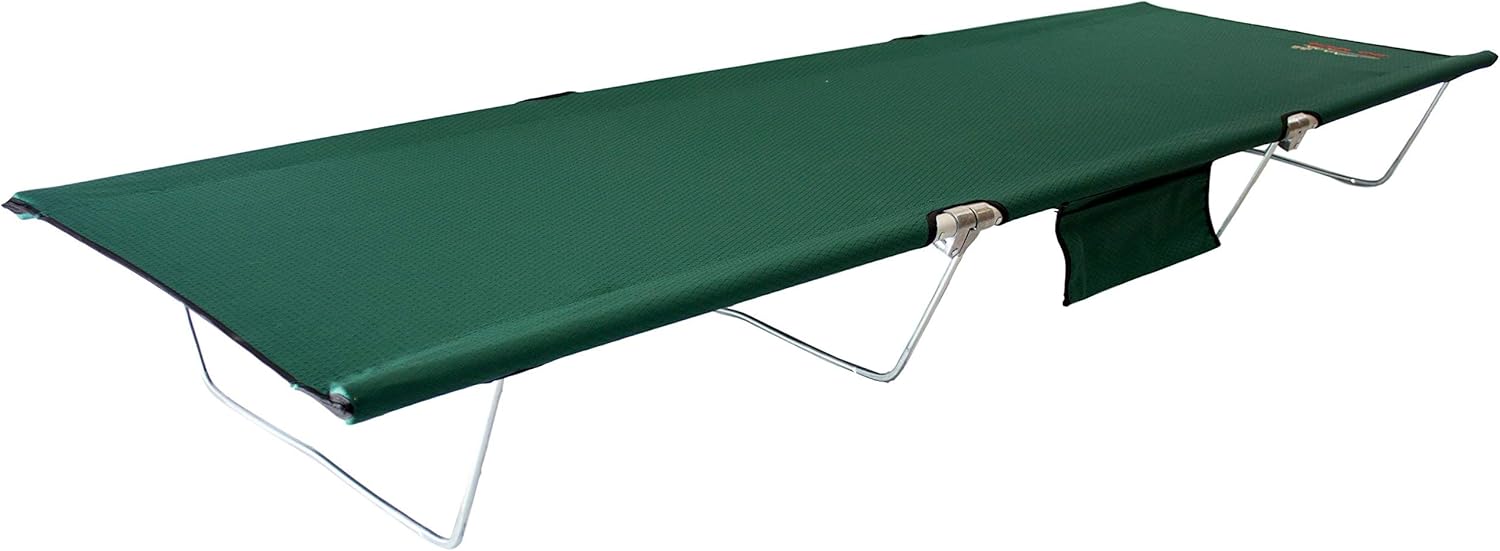

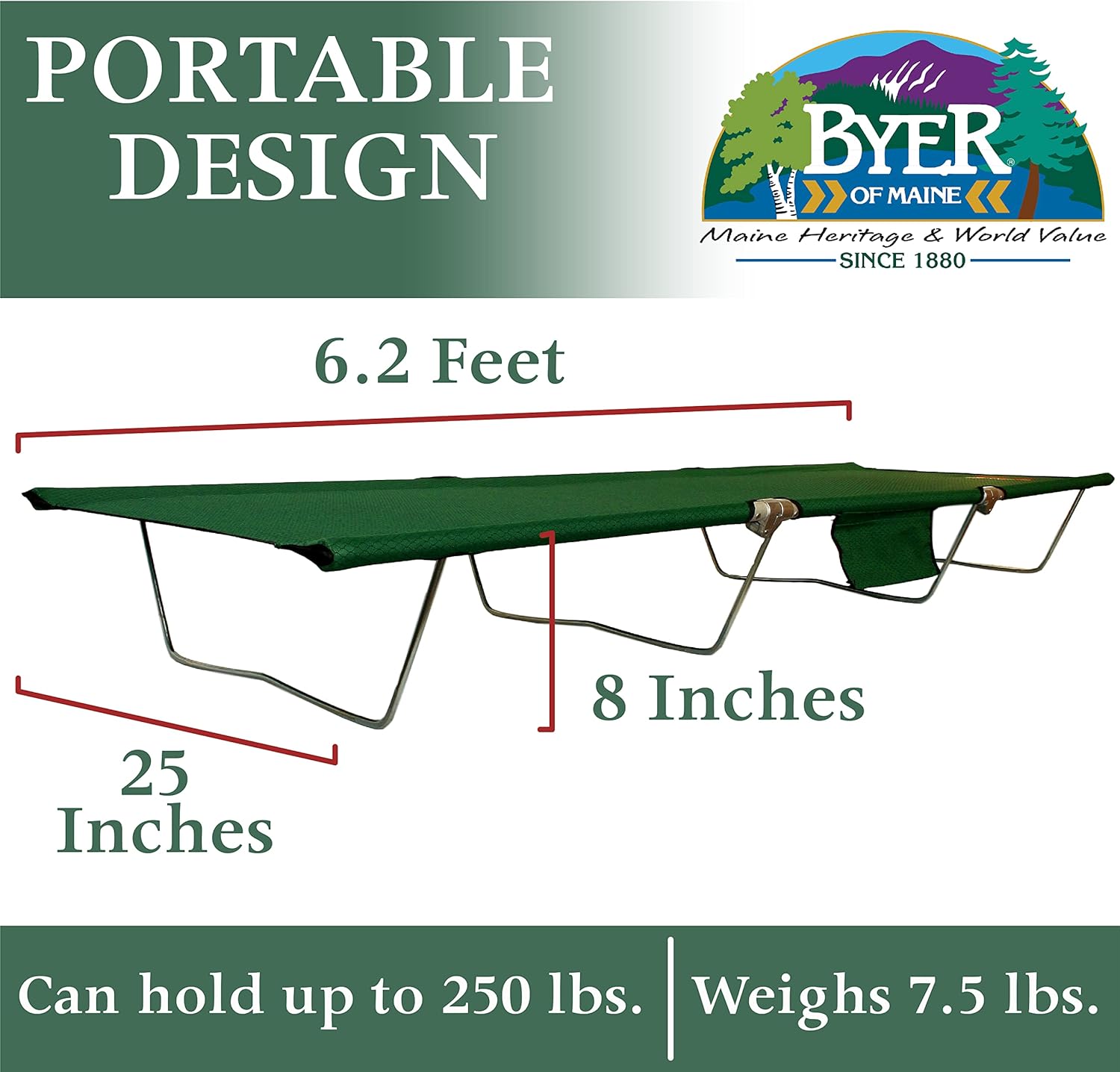

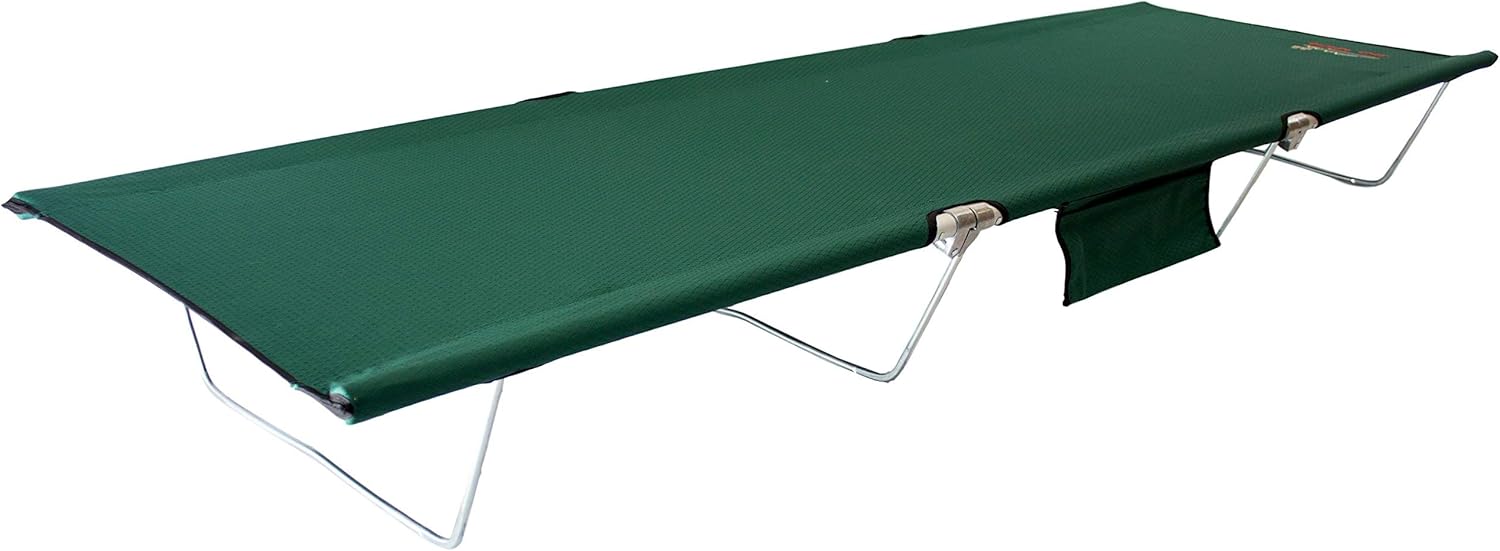 BYER OF MAINE TriLite Cot, Camping cots for Adults, Portable cot, Single
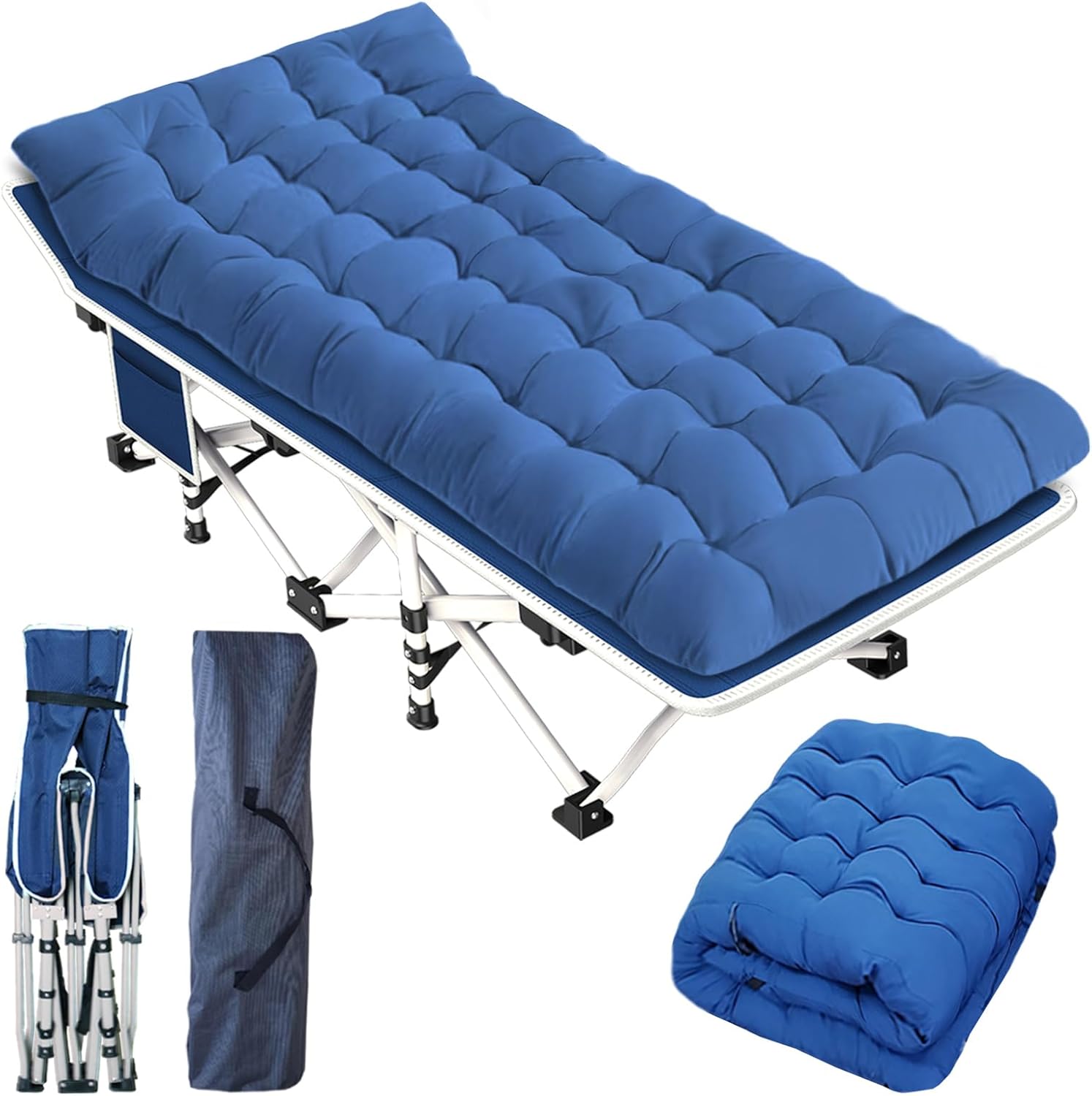
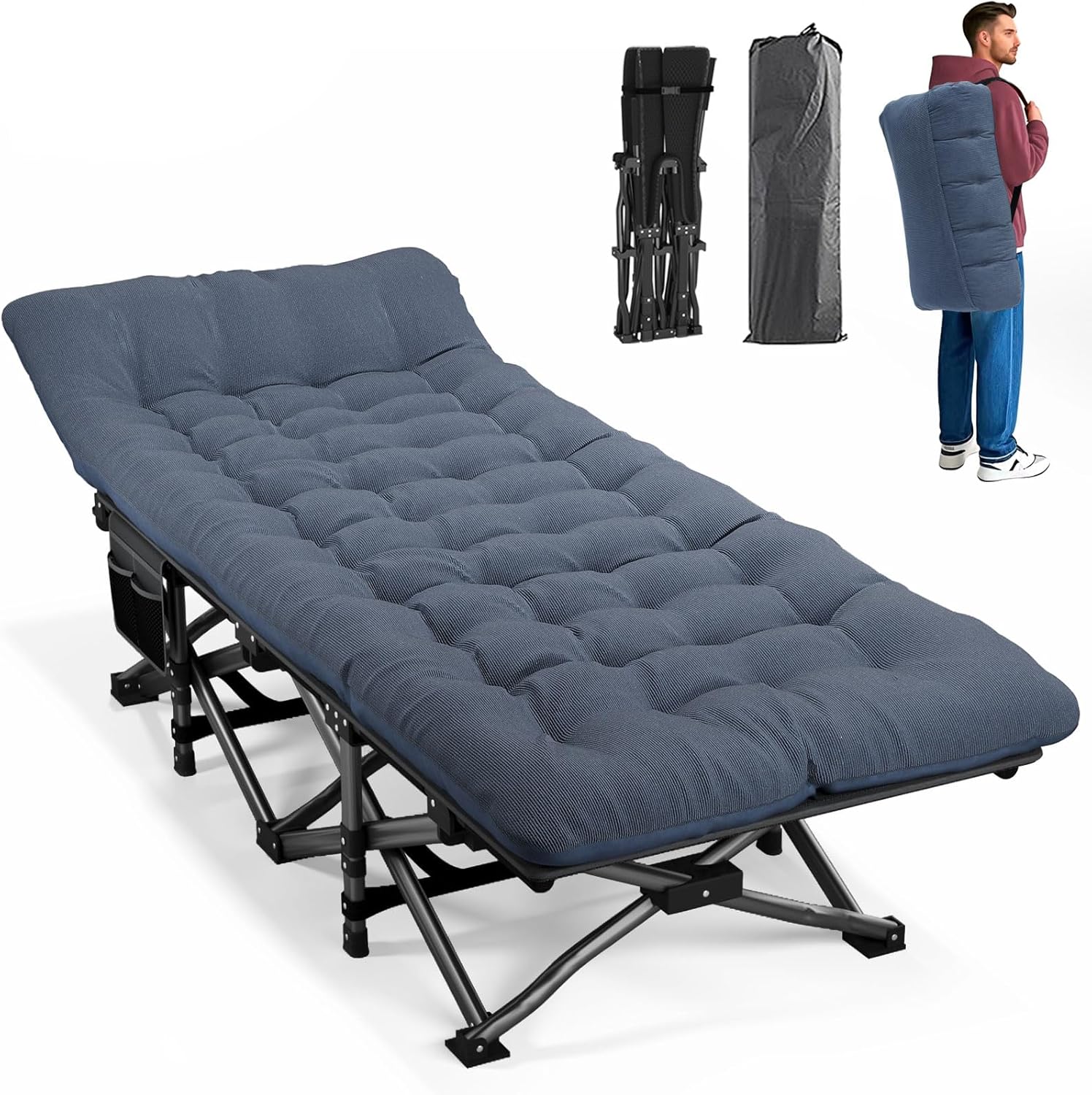 ATORPOK Camping Cot for Adults with Cushion Comfortable,Portable Folding Bed for Sleeping Supports 450 lbs (Blue)
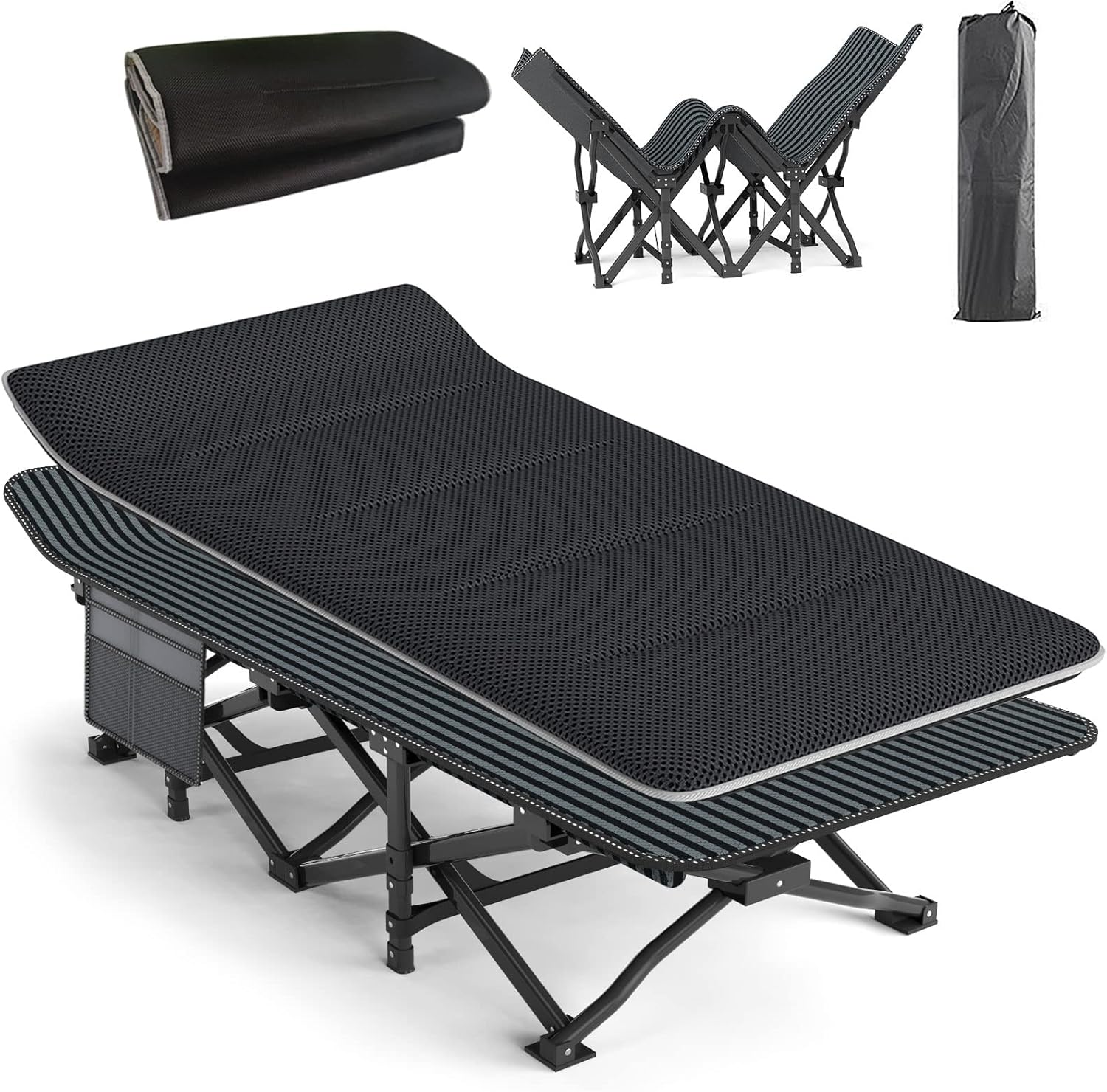
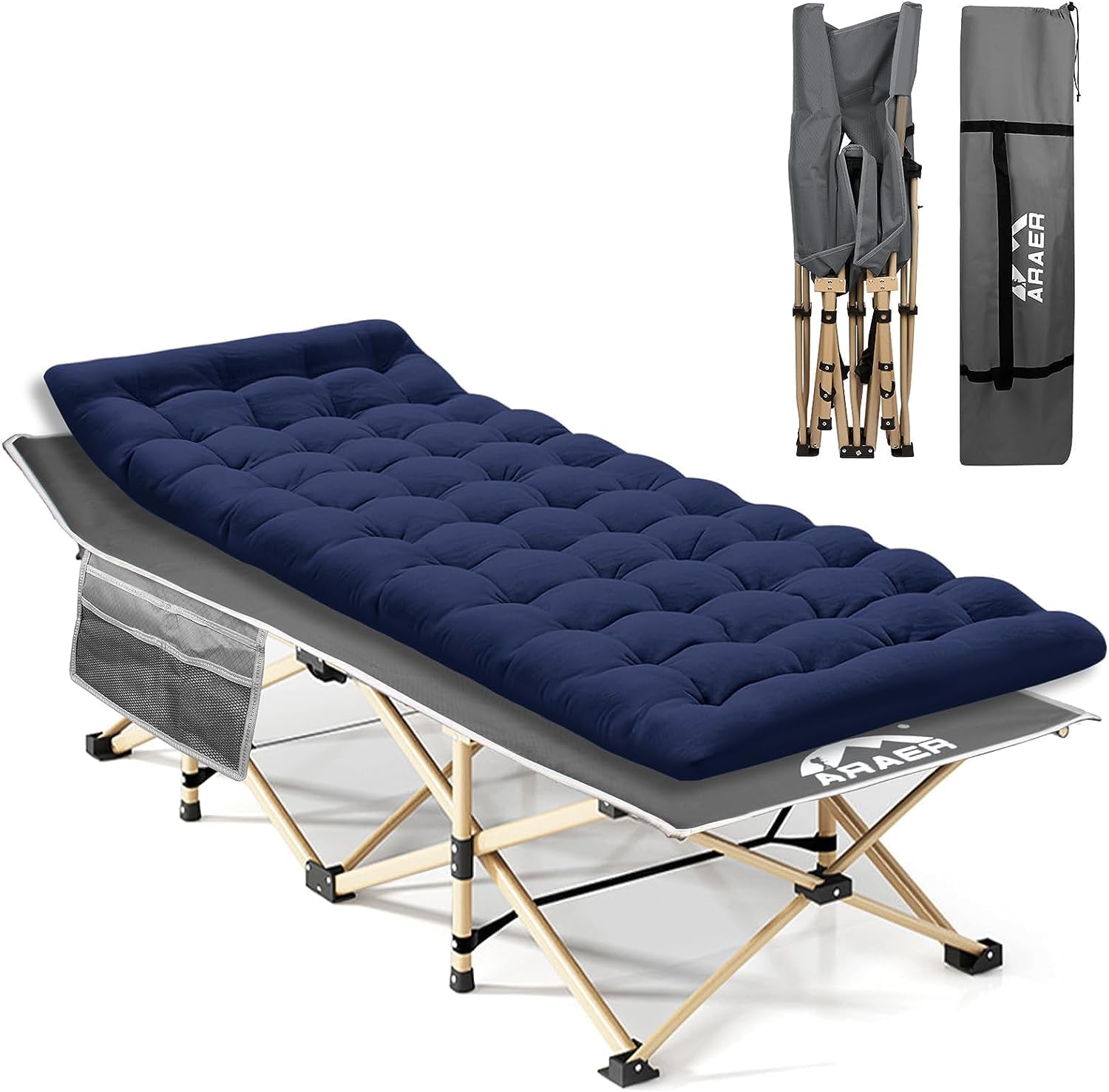 Camping Cot, 450LBS(Max Load), Portable Folding Outdoor Bed with Carry Bag for Adults Kids, Heavy Duty Cot for Traveling Gear Supplier, Office Nap, Beach Vocation and Home Lounging (Grey02 Bed)